
Call us now :08045803038
 Send Inquiry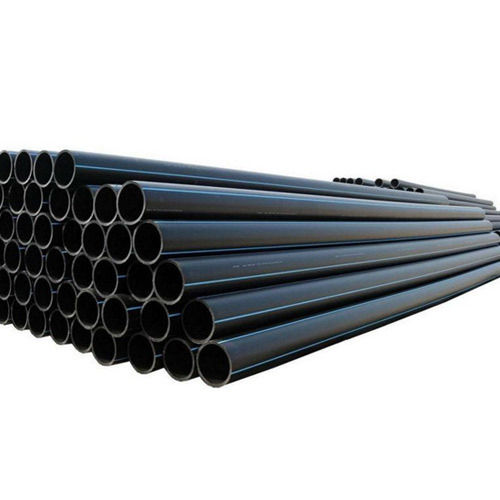
Plastic HDPE Flow Irrigation System
35000 INR/Hectare
Product Details:
- Power Source Manual / Gravity-fed / Pumped (as available)
- Flow Rate Variable, typically 2 LPH to 40 LPH per emitter
- Automation Grade Semi-automatic / Manual
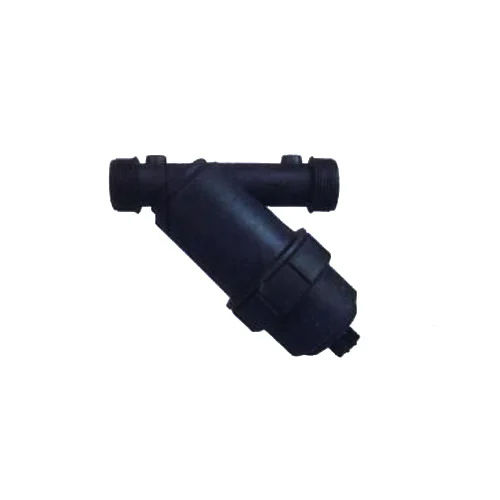
- Filter Type Screen or disc filters (optional)
- Coverage Area Up to several acres, based on layout
- Product Type Flow Irrigation System
- Form Pipe and micro-tube form, flexible or rigid
- Click to View more
X
Plastic HDPE Flow Irrigation System Price And Quantity
- 35000 INR/Hectare
- 1 Hectare
Plastic HDPE Flow Irrigation System Product Specifications
- Not required for manual operations, external source required for pumping
- Flow Irrigation System
- Fixed lay-flat or directional depending on emitter type
- Up to several acres, based on layout
- Operating range approx. 1 to 6 Bar
- Manual / Gravity-fed / Pumped (as available)
- Semi-automatic / Manual
- Variable, typically 2 LPH to 40 LPH per emitter
- Water delivery for crops, gardens, nurseries
- Suitable for small to large agricultural fields
- HDPE (High Density Polyethylene)
- Available in multiple diameters (commonly 25 mm to 110 mm)
- Agricultural irrigation, horticulture, landscaping
- Pipe and micro-tube form, flexible or rigid
- Screen or disc filters (optional)
- -10°C to +60°C (approx.)
- Yes
- Easy and quick installation, lightweight
- 10-20 years under normal use
- Black (standard), other colors on request
- High
- High integrity joints minimize leakage
- Electrofusion / Butt-weld / Compression fittings
- Resistant to most agricultural chemicals
Plastic HDPE Flow Irrigation System Trade Information
- 1 Hectare Per Day
- 3 Week
Product Description
Are you wondering about the special features of this particular material? Let's list them! Discover on our site the highly efficient HDPE irrigation systems characterised by high hydraulic resistance and exceptional tensile strength, ensuring high flow rates in any type of soil.Superior Resistance and Longevity
Designed with high corrosion and UV resistance, the HDPE Flow Irrigation System can withstand harsh outdoor environments and frequent exposure to agricultural chemicals. Its robust build ensures a long service life of 10-20 years with minimal maintenance, providing peace of mind and value to users over time.
Versatile Installation and Application
This irrigation system is lightweight, flexible, and can be installed quickly using multiple joint types to suit diverse field layouts. Available in diameters from 25 mm to 110 mm and both pipe or micro-tube forms, it is adaptable for small-scale gardens as well as extensive farmland, supporting both manual and semi-automatic operation modes.
Efficient Water Delivery
With variable flow rates (2-40 LPH per emitter), a wide pressure range (1-6 Bar), and optional filtration, the system ensures consistent and precise water delivery for crops, nurseries, or landscaping. Its design effectively minimizes leakage, maximizes coverage, and optimizes water use for improved crop health and resource savings.
FAQ's of Plastic HDPE Flow Irrigation System:
Q: How is the Plastic HDPE Flow Irrigation System installed?
A: The system is designed for easy and quick installation. Lightweight pipes and fittings can be connected using electrofusion, butt-weld, or compression fittings, accommodating different field layouts and sizes. Its installation does not require heavy equipment, making it suitable for both small and large setups.Q: What are the primary advantages of using HDPE for flow irrigation?
A: HDPE offers high resistance to corrosion, UV radiation, and most agricultural chemicals. This material ensures a long service life (10-20 years) with minimal maintenance, while its flexibility and strength reduce leakage and withstand pressure variations.Q: When should I consider using optional filters with this system?
A: Optional screen or disc filters are recommended when the water source contains visible impurities or particles. Filters help prevent clogging in emitters and pipes, maintaining efficient water flow and prolonging system life.Q: Where can the HDPE Flow Irrigation System be used effectively?
A: The system is suitable for a wide range of applications including agricultural fields, greenhouses, horticultural farms, gardens, nurseries, and landscaping projects. Its versatility allows it to cater to both small-scale and large-scale irrigation needs.Q: What is the typical process for adjusting water flow rates in this system?
A: Flow rates can be managed by selecting appropriate emitters and adjusting system pressure within the operating range (1-6 Bar). Multiple emitter types are available, offering flow rates between 2 to 40 LPH, ensuring optimal water delivery suited to crop requirements.Q: Which factors contribute to the system's high leakage protection?
A: High integrity joints achieved through electrofusion, butt-weld, or compression fittings significantly minimize the risk of leakage. Proper installation also ensures durable connections and consistent, reliable water delivery over years of use.Q: What areas and sizes can this irrigation system cover?
A: The HDPE Flow Irrigation System can cover from small gardens to several acres of agricultural land, depending on the layout, pipe diameter, and water pressure. It is adaptable for different field shapes and sizes, providing broad coverage for diverse irrigation needs.Tell us about your requirement

Price:
Quantity
Select Unit
- 50
- 100
- 200
- 250
- 500
- 1000+
Additional detail
Mobile number
Email

Other Products in 'Agricultural Irrigation Systems' category

"We are accepting bulk order quantity."
 Send Inquiry

Our Products
- Dust Suppression System
- Irrigation System
- Screen Filter
- Dry Fog System
- Rain Gun
- Sprinkler
- Pop Up Sprinklers
- Hdpe Sprinkler Pipes And Fittings
- Drip Irrigation System
- Fogger
- Quick Coupling Valve
- Air Release Valve
- Mirco Sprinklers
- Irrigation Sprinklers
- Agricultural Irrigation Systems
- Air Pollution Control Equipment
- Spray Nozzles
- Sprinkler Irrigation System

P-6, Scheme VI, C.I.T. Road, Kolkata - 700054, West Bengal, India

Mr. Sumit Parsan
(Director)
Mobile :08045803038
 Send Inquiry
 Send SMS
Developed and Managed by Infocom Network Private Limited.


