
Call us now :08045803038
 Send Inquiry

 Send Inquiry
Industrial Dust Suppression System
Price 450000 INR/ Set
MOQ : 1 Set
Industrial Dust Suppression System Specification
- Sensor Type
- PM2.5/PM10 Sensors (Optional)
- Usage & Applications
- Mining, Construction Sites, Stone Crushers, Demolition Areas, Coal Yards, Industrial Dust Control
- Air Flow
- 3000-35000 m3/h
- Display Type
- Digital/Analog (Model Dependent)
- Efficiency
- 95% Dust Reduction
- Power Source
- Electric
- Orientation
- Horizontal / Adjustable
- Automation Grade
- Semi-Automatic/Automatic
- Temperature
- Ambient, Up to 50C operation
- Measurement
- Particulate Air Quality (Optional Sensors)
- Instruments Type
- Spray/Mist Generator
- Product Type
- Industrial Dust Suppression System
- Material
- Mild Steel / Stainless Steel
- Cooling System
- Water Spray / Mist Based
- Noise Level
- Below 80 dB
- Processing Time
- Continuous
- Capacity
- 30-10000 m3/hr (customizable)
- Voltage
- 415 V / 230 V
- Weight
- 350-1200 kg
- Dimension (L*W*H)
- Customizable as per model
- Surface
- Powder Coated / Rust Proof
- Start Type
- Direct/Star Delta
- Nozzle Type
- Brass/SS Anti-Clogging Nozzles
- Mounting Type
- Fixed or Mobile
- Mobility
- Trolley Mounted/Truck Mounted/Stationary Options
- Installation Area
- Outdoor/Indoor
- Power Consumption
- 3-15 kW (Model Dependent)
- Enclosure Rating
- IP55 / IP65 (on request)
- Spray Range
- 10-60 meters
- Water Consumption
- 120-350 L/hr (Model Dependent)
- Control System
- Remote / Panel / Manual Operation
- Operating Pressure
- 3-10 bar
- Working Temperature Range
- 0C to 50C
- Maintenance
- Low / Easy Service Access
- Pump Type
- Centrifugal / High Pressure
- Color
- Yellow/Custom
Industrial Dust Suppression System Trade Information
- Minimum Order Quantity
- 1 Set
- Supply Ability
- 1 Set Per Day
- Delivery Time
- 4 Week
Industrial Dust Suppression System About
Our Industrial Dust Suppression System, mist dust suppression system and dry fog dust suppression system are utilised clean atmosphere by eradicating the dust particles. This is done when atomizing nozzles, fitted in a series, form a pattern similar to hollow cone spray. The specific operation mode enables operators to use the systems in an efficient manner.The fine mist droplets produced by our systems float freely in the air and create fog. Then, the fine spray pattern completely covers the particular area due to which, dust falls down after getting heavier. Depending on nozzle capacity and pressure, the spray pattern is affected by air frictions and currents several feet away from the nozzle. This ensures no particulate matter on the particular area.Reliable Dust Control for Challenging Environments
This Dust Suppression System efficiently reduces airborne particulate matter by up to 95% in both outdoor and indoor industrial settings. Its horizontal and adjustable orientation, combined with advanced spray and mist technologies, ensures comprehensive coverage over mining areas, construction sites, and demolition zones. The system's rugged construction and high-grade materials - available in mild steel or stainless steel - guarantee dependable performance and corrosion resistance, even under harsh conditions.
Advanced Features for Flexible Operation
With a spray range of up to 60 meters and scalable water consumption (120-350 L/hr), this system adapts to various facility sizes and dust suppression needs. It supports digital or analog monitoring alongside optional PM2.5/PM10 air quality sensors. The IP55/IP65 enclosure and powder-coated, rust-proof finish enable use in all weather. Users can select between remote, panel, or manual operation for greater convenience and safety.
FAQ's of Industrial Dust Suppression System:
Q: How does the Industrial Dust Suppression System operate in different environments?
A: The system is designed for both indoor and outdoor use, with a robust enclosure (IP55/IP65) and material finishes that withstand challenging industrial conditions. Whether deployed at mining sites, construction zones, or coal yards, its high-efficiency mist and spray technologies adapt seamlessly to varying ambient temperatures (0C to 50C), ensuring optimal dust reduction.Q: What are the benefits of using this dust suppression system?
A: By reducing airborne dust by up to 95%, the system promotes cleaner air, improved visibility, and better regulatory compliance. Additional benefits include low maintenance requirements, customizable capacities, advanced anti-clogging nozzles for reliable performance, and flexible installation options (fixed, mobile, or truck-mounted) for diverse applications.Q: When and where should the dust suppression system be installed?
A: Installation is recommended in environments with high dust generation such as mining operations, stone crushers, construction and demolition sites, and coal handling yards. The system's adaptable configuration and IP-rated enclosure make it suitable for continuous use in both outdoor and protected indoor areas.Q: What is the process for maintaining the system?
A: Maintenance is straightforward due to its low-maintenance design and easy service access. The powder-coated or rust-proof surfaces ensure long-lasting operation with minimal upkeep, while anti-clogging nozzles reduce the need for frequent cleaning, helping maximize system uptime.Q: How does the control and automation system enhance operation?
A: Users can operate the system via remote control, panel, or manual modes, depending on site requirements. Additionally, semi-automatic or fully automatic options improve efficiency and safety, while compatible models offer digital or analog displays for clear system status and easy monitoring.Q: What customization options are available for this system?
A: The system offers several customizable features, including spray range, water consumption rate, mounting type (fixed or mobile), enclosure color, power specifications, and capacity (30-10,000 m3/hr). Optional air quality sensors and display types allow further tailoring to specific industrial needs.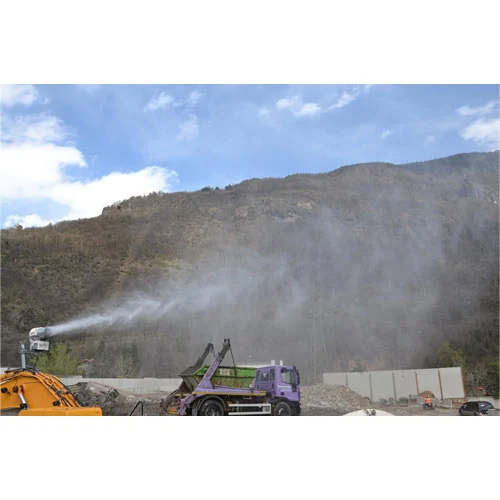
Tell us about your requirement

Price:
Quantity
Select Unit
- 50
- 100
- 200
- 250
- 500
- 1000+
Additional detail
Mobile number
Email

More Products in Air Pollution Control Equipment Category

Gray Steel Portable Dust Suppression System
Price 450000 INR / Set
Minimum Order Quantity : 1 Set
Instruments Type : Flow & Pressure Sensors
Power Source : Electric
Temperature : 0C to 50C
Product Type : Portable Dust Suppression System

Automatic Blue Dry Fog Systems
Price 6500 INR / Set
Minimum Order Quantity : 6 Sets
Instruments Type : Integrated Control Unit
Power Source : Electric
Temperature : Operational Range 5C to 50C
Product Type : Automatic Blue Dry Fog System
Stainless Steel Air Borne Dust Suppression System
Price 450000 INR / Set
Minimum Order Quantity : 1 Set
Instruments Type : Fixed
Power Source : Electric
Temperature : 10C to 60C
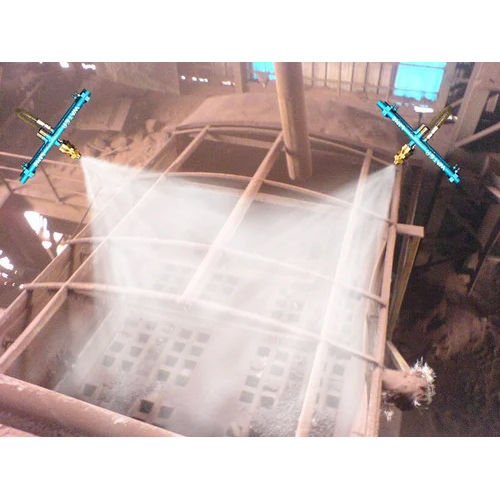
Product Type : Air Borne Dust Suppression System

Steel Sprinkler Stockpile Dust Suppression Systems
Price 450000 INR / Set
Minimum Order Quantity : 1 Set
Instruments Type : Industrial Sprinkler System
Power Source : Electric
Temperature : Operating range: 10C to 55C
Product Type : Dust Suppression System

"We are accepting bulk order quantity."
 Send Inquiry


Our Products
- Dust Suppression System
- Irrigation System
- Screen Filter
- Dry Fog System
- Rain Gun
- Sprinkler
- Pop Up Sprinklers
- Hdpe Sprinkler Pipes And Fittings
- Drip Irrigation System
- Fogger
- Quick Coupling Valve
- Air Release Valve
- Mirco Sprinklers
- Irrigation Sprinklers
- Agricultural Irrigation Systems
- Air Pollution Control Equipment
- Spray Nozzles
- Sprinkler Irrigation System

P-6, Scheme VI, C.I.T. Road, Kolkata - 700054, West Bengal, India

Mr. Sumit Parsan
(Director)
Mobile :08045803038
 Send Inquiry
 Send SMS

Developed and Managed by Infocom Network Private Limited.


