
Call us now :08045803038
 Send Inquiry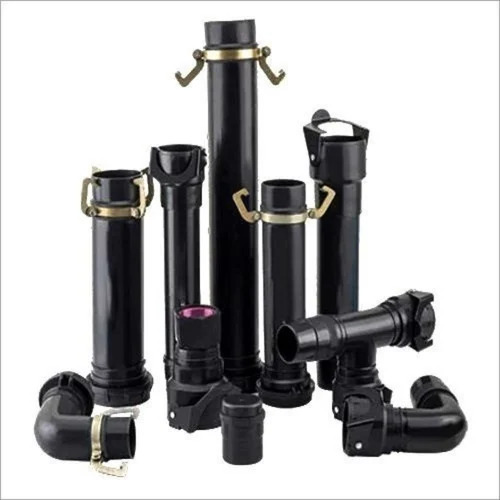
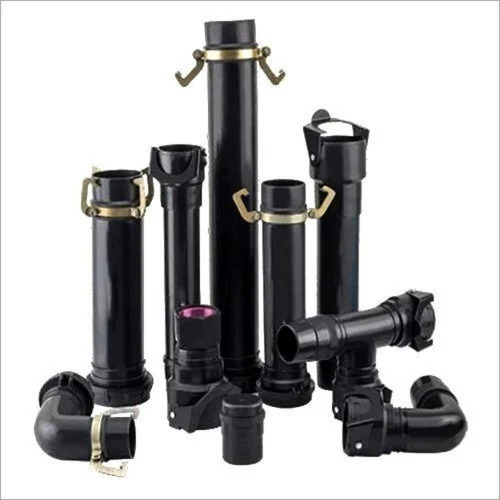
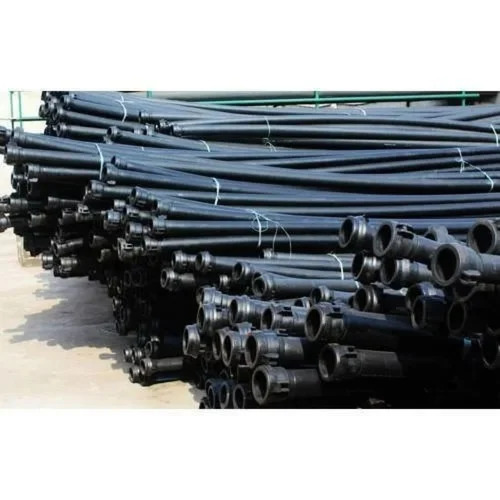

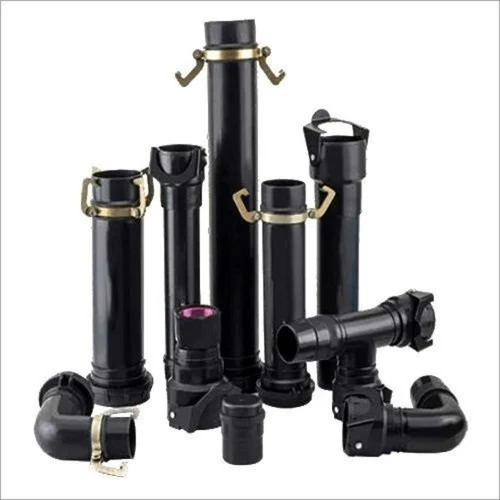
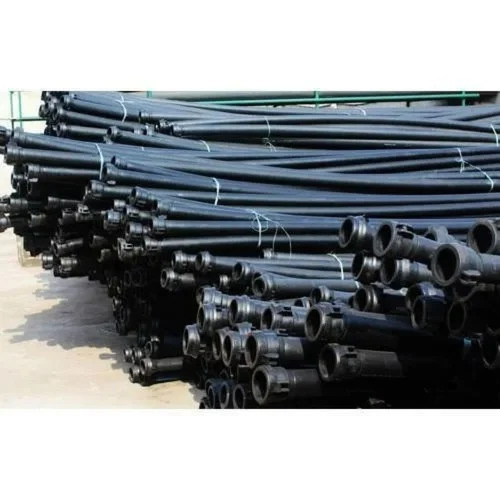
HDPE Sprinkler Pipe
900.0 INR/Piece
Product Details:
- Diameter 6 Meter (m)
- Yield Strength >15 MPa
- Bend Radius 15-20 times the outer diameter Meter (m)
- Thread Type BSP (on compatible variants)
- Tolerance 63mm Meter
- Temperature Range -20C to 60C Celsius (oC)
- Flexibility High
- Click to View more
X
HDPE Sprinkler Pipe Price And Quantity
- 900.0 INR/Piece
- 1 Piece
HDPE Sprinkler Pipe Product Specifications
- 6 Meter (m)
- Other
- Other
- Other
- 63mm Meter
- BSP (on compatible variants)
- 2.5 kg/cm2 to 6 kg/cm2
- 63 Millimeter (mm)
- Other
- Other
- 15-20 times the outer diameter Meter (m)
- >15 MPa
- 6 Meter
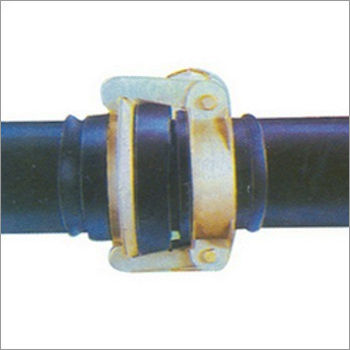
- Clamp, lock ring, or threaded ends
- 63X63X6000 Millimeter (mm)
- 6 Meter (m)
- -20C to 60C Celsius (oC)
- High
- Agricultural irrigation, field watering
- other
- UV resistant coating
- PE 63/80/100
- >18 MPa Megapascals (MPa )
- 5 Ton
- Welding
- Other
- Rubber ring/sealed coupling
- Black
- 15 - 25 years under normal operating conditions
- Excellent (resistant to chemicals, soil, and water corrosion)
- Lightweight, easy to transport and install
- Non-toxic, recyclable material
- 20 LPH to 100 LPH (depending on size and pressure)
- High due to smooth internal surface
- Compatible with HDPE sprinkler fittings, couplers, elbows, end plugs
- Minimal
- Loose/bundle packing depending on length and diameter
- Excellent (withstands rough handling and field abuse)
HDPE Sprinkler Pipe Trade Information
- 4 Week
- All India
Product Description
| Material | HDPE |
| Length of Pipe | 6m |
| Sprinkler Type | Rotary Nozzles/ Rotators |
| Pressure | 2.5kg/cm2 |
| Size/Diameter | 90mm |
| Working Pressure | 2.5 kg/cm2 |
| Body Type | Shrub Style |
| Automation Grade | Manual |
| Usage/Application | Agricultural |
| Model Name/Number | Oasis |
| Product Type | Pioneer Type |
Quick Coupled ISI Marked HDPE Sprinkler Pipes for Irrigation
Engineered for Rugged Field Conditions
HDPE Sprinkler Pipes are built to withstand demanding agricultural environments, offering excellent resistance to rough handling, field abuse, and extreme weather. Their flexibility and impact tolerance provide longevity and peace of mind for both small and large-scale irrigation projects.
Superior Hydraulic Performance and Efficiency
With a smooth, UV-stabilized internal surface, these pipes maximize hydraulic efficiency, supporting consistent flow rates ranging from 20 to 100 liters per hour depending on pipe size and pressure. Their minimal friction loss helps ensure effective water distribution, optimizing irrigation operations.
Environmental Safety and Longevity
Manufactured from non-toxic, recyclable HDPE, these pipes not only serve for up to 25 years with minimal upkeep but also reduce your environmental footprint. Their resistance to chemicals, soil, and water corrosion ensures reliability and cost savings over time.
FAQ's of HDPE Sprinkler Pipe:
Q: How are HDPE Sprinkler Pipes installed in the field?
A: These pipes are lightweight and can be easily transported to site. Installation is straightforward using compatible HDPE fittings, couplers, elbows, and end plugs, with joints made through simple clamp, lock ring, or threaded mechanisms - no special equipment is needed.Q: What are the main benefits of using HDPE Sprinkler Pipes for irrigation?
A: HDPE Sprinkler Pipes offer high impact resistance, excellent corrosion resistance, superior hydraulic efficiency, and minimal maintenance. Their flexibility and lightweight design make them easy to handle, install, and relocate, resulting in better irrigation performance and durability.Q: When should I choose HDPE Sprinkler Pipes over traditional metal or PVC options?
A: Choose HDPE Sprinkler Pipes when you require robust, long-lasting pipes that are resistant to chemicals, soil, and water corrosion, especially in locations with rough handling or harsh field conditions. Their longevity and low maintenance make them more cost-effective in the long term.Q: Where are these pipes typically used?
A: These pipes are predominantly used in agricultural irrigation systems, field watering applications, and sprinkler irrigation system components across various terrains in India and abroad.Q: What is the process for connecting these pipes with fittings?
A: Connections are made using compatible HDPE fittings such as couplers, elbows, end plugs, and more, utilizing clamp, lock ring, or threaded ends (BSP threads on certain variants). Rubber ring or sealed couplings ensure leak-proof joints.Q: How environmentally friendly are HDPE Sprinkler Pipes?
A: HDPE Sprinkler Pipes are non-toxic and recyclable, making them a sustainable choice. Their manufacturing process and long operational life significantly reduce environmental impact as compared to non-recyclable alternatives.Tell us about your requirement

Price:
Quantity
Select Unit
- 50
- 100
- 200
- 250
- 500
- 1000+
Additional detail
Mobile number
Email

Other Products in 'Hdpe Sprinkler Pipes And Fittings' category

"We are accepting bulk order quantity."
 Send Inquiry

Our Products
- Dust Suppression System
- Irrigation System
- Screen Filter
- Dry Fog System
- Rain Gun
- Sprinkler
- Pop Up Sprinklers
- Hdpe Sprinkler Pipes And Fittings
- Drip Irrigation System
- Fogger
- Quick Coupling Valve
- Air Release Valve
- Mirco Sprinklers
- Irrigation Sprinklers
- Agricultural Irrigation Systems
- Air Pollution Control Equipment
- Spray Nozzles
- Sprinkler Irrigation System

P-6, Scheme VI, C.I.T. Road, Kolkata - 700054, West Bengal, India

Mr. Sumit Parsan
(Director)
Mobile :08045803038
 Send Inquiry
 Send SMS
Developed and Managed by Infocom Network Private Limited.


